
Concrete is designed to provide a durable, long-lasting surface, but even well-built concrete can experience problems when the ground beneath it shifts or settles. Over time, changes in soil conditions, drainage, moisture, and weather can cause concrete surfaces to move or become uneven.
Recognizing the signs of settling early can help property owners address potential problems before they lead to more extensive damage, drainage concerns, or safety issues.
1. Uneven or Sloping Surfaces
One of the most noticeable signs of settling is a concrete surface that is no longer level. Sections that were once even may begin to slope, dip, or sit at different elevations.
Changes in elevation can affect how a surface is used and may also indicate that the material beneath the concrete has shifted or compacted. Areas with frequent vehicle, equipment, or pedestrian traffic can be particularly affected when surfaces become uneven.
2. Cracks That Continue to Worsen
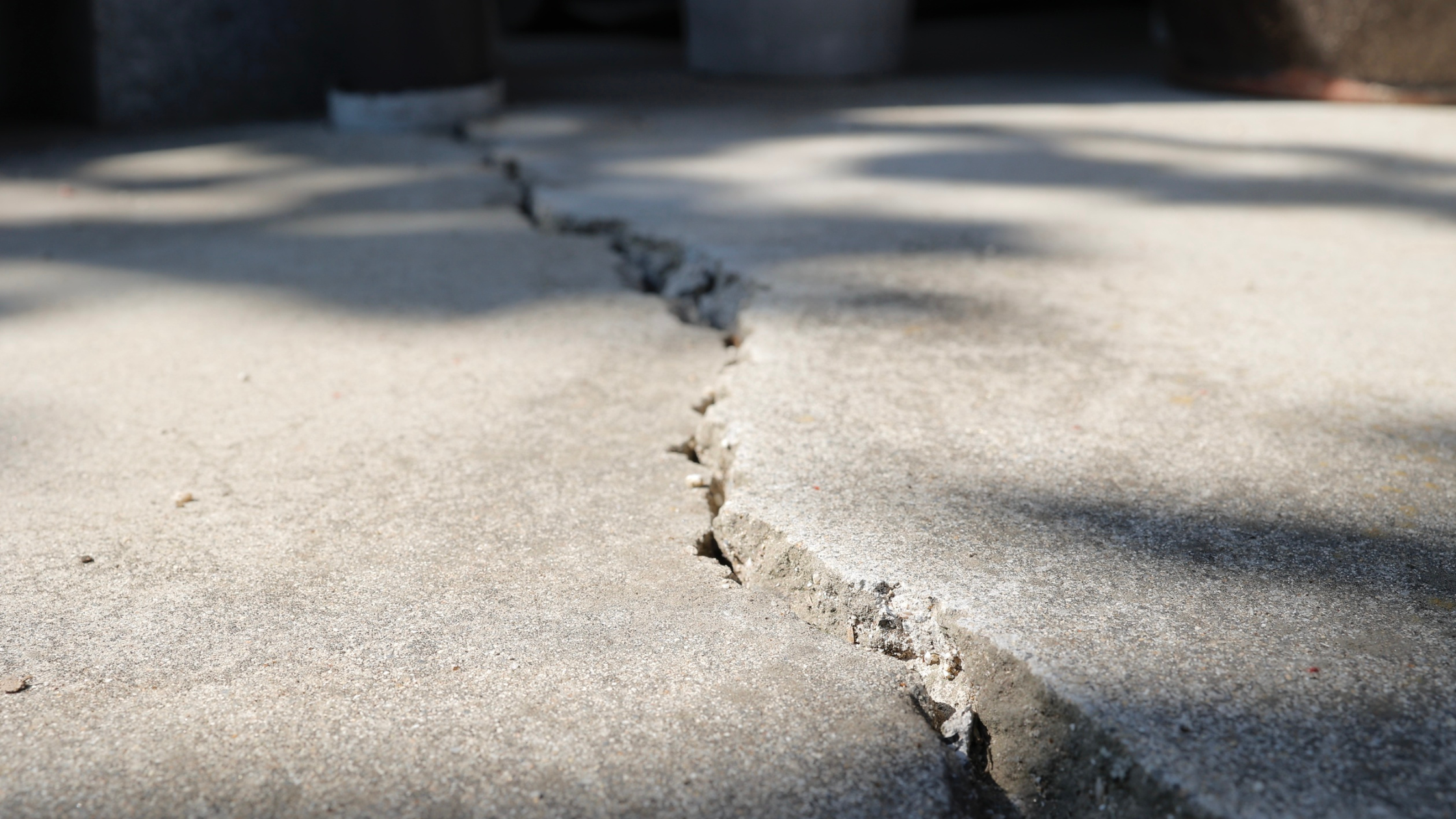
Cracks can occur in concrete for a variety of reasons, and not every crack indicates settlement. However, cracks that continue to widen, shift, or develop alongside uneven areas may be a sign of movement beneath the surface.
Monitoring existing cracks and addressing changes early can help prevent a small issue from developing into a more significant problem.
3. Gaps Along Edges and Joints
As concrete settles or shifts, gaps can develop where it meets adjacent surfaces. These may appear along curbs, buildings, other concrete slabs, or surrounding structures.
New or growing gaps can be an indication that the concrete is moving away from its original position. They can also allow water to reach areas beneath the slab, potentially contributing to additional erosion or settlement.
4. Water Pooling on the Surface
Proper grading and drainage are important to the long-term performance of any concrete surface. When concrete settles, its original slope can change, creating low areas where water collects.
Standing water can contribute to surface deterioration and may create additional problems during freezing and thawing conditions. If water consistently collects in areas where it previously drained properly, settlement may be part of the problem.
5. Uneven Elevation Between Concrete Sections
Concrete sections do not always settle at the same rate. When one section moves while another remains in place, the difference in elevation can become noticeable.
Raised or lowered edges can create trip hazards and make it more difficult for vehicles, equipment, or pedestrians to move safely across the surface. These changes are often a sign that the concrete or the material supporting it needs attention.
Why Settling Concrete Shouldn’t Be Ignored
Settling may begin with a small crack, slight slope, or area of standing water, but the underlying issue will not necessarily correct itself. Continued movement can lead to additional cracking, drainage problems, uneven surfaces, and more extensive deterioration.
Addressing signs of settlement early allows property owners to better understand the condition of the concrete and determine the appropriate solution before the problem becomes more extensive. Long-lasting concrete depends on more than the concrete itself.
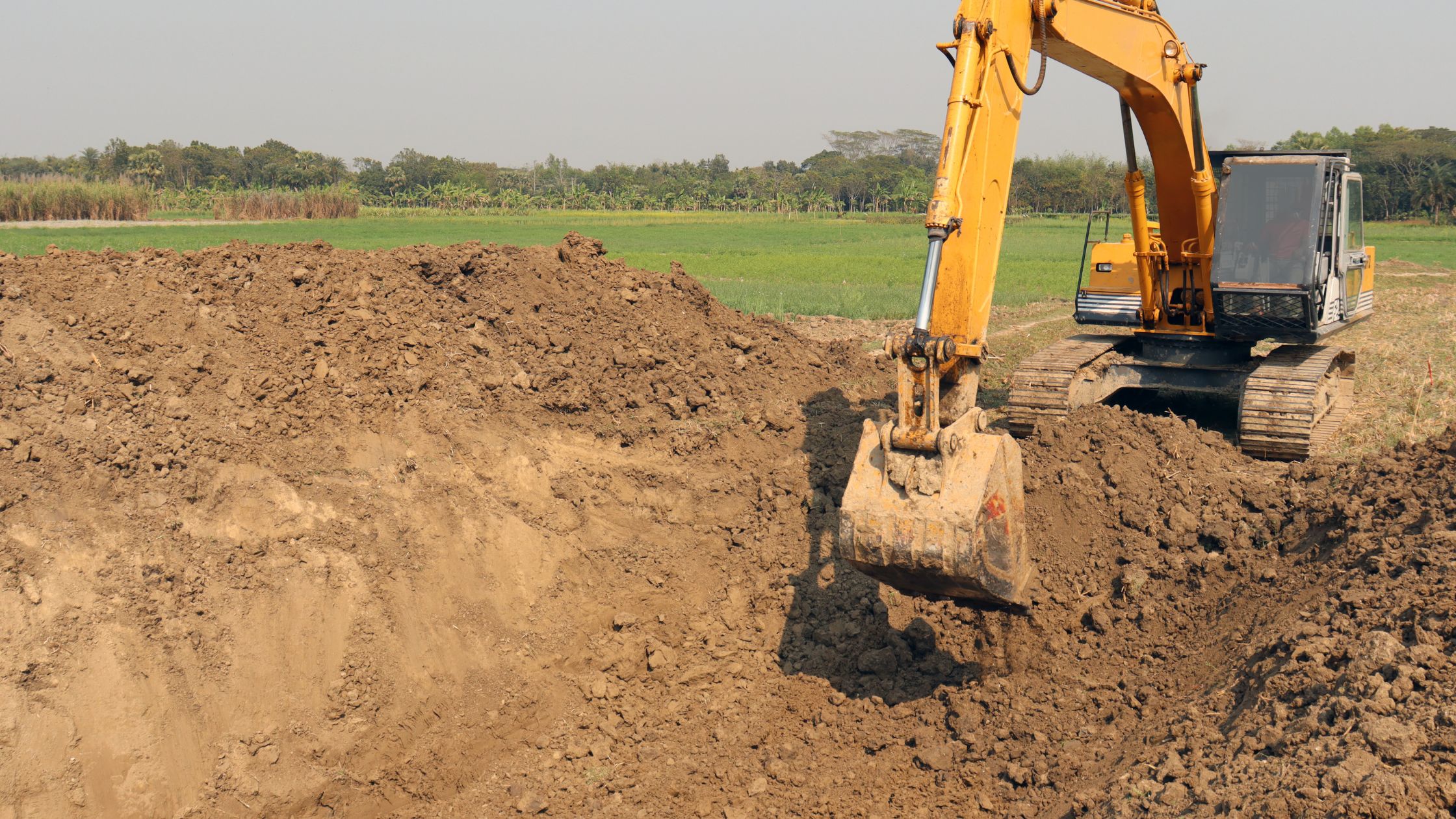
Proper excavation, grading, base preparation, compaction, reinforcement, placement, finishing, and curing all contribute to the performance of the finished surface. Experienced concrete contractors understand how these steps work together to create a stable foundation and help concrete withstand the demands of daily use and changing conditions.
Partner with Holzworth Concrete
At Holzworth Concrete, we understand that quality concrete starts with careful preparation and experienced workmanship. From site preparation and foundations to flatwork and large-scale concrete projects, our team is committed to building surfaces that are designed for dependable, long-term performance.
If your concrete is showing signs of settling, cracking, uneven elevations, or drainage problems, don’t wait for the issue to become more extensive. Contact Holzworth Concrete today at (515) 452-7732 or request a quote to discuss your project and learn more about how we can help.