
When most people think about concrete failure, they often assume the concrete itself is the problem. In reality, many issues begin long before the concrete is poured—or beneath the surface where they can’t easily be seen.
One of the most common causes of premature concrete damage is poor drainage.
Whether it’s a commercial building foundation, parking lot, agricultural facility, roadway, or industrial site, inadequate drainage can create costly problems that affect the longevity and performance of a concrete structure. Understanding the role drainage plays in construction can help property owners protect their investment and avoid unnecessary repairs in the future.
Why Drainage Matters in Concrete Construction
Concrete is incredibly durable, but it performs best when it rests on a properly prepared foundation with effective water management.
When water is allowed to collect around or beneath a concrete structure, it can weaken the supporting soil, create erosion, and contribute to settlement issues. Over time, these problems can cause concrete surfaces to crack, shift, or become uneven.
Proper drainage helps move water away from structures and prevents excessive moisture from impacting the soil below.
Common Drainage Problems That Affect Concrete
Soil Erosion
Water that continually flows across a site can wash away supporting soil beneath concrete slabs and foundations. As the soil erodes, voids may develop under the concrete, reducing support and increasing the likelihood of cracking or settlement.
This issue is especially common around parking lots, roadways, and large paved surfaces where water runoff is not properly controlled.
Standing Water
Puddles may seem like a minor inconvenience, but standing water often signals a larger drainage issue.
When water repeatedly pools around concrete surfaces, it can accelerate deterioration, increase maintenance costs, and create safety concerns for pedestrians and vehicles. Standing water can also penetrate small cracks and joints, contributing to long-term damage.
Foundation Settlement
Excess moisture can alter the stability of the soil beneath a structure. As soils expand, contract, or become saturated, foundations and slabs may begin to settle unevenly.
Settlement can lead to:
- Cracked concrete
- Uneven surfaces
- Structural concerns
- Increased repair costs
- Reduced lifespan of the concrete
Freeze-Thaw Damage
In Iowa, drainage issues become even more problematic during winter.
Water that enters cracks, joints, or surrounding soil can freeze when temperatures drop. As water freezes, it expands, placing pressure on the concrete. Repeated freeze-thaw cycles can worsen cracks and accelerate deterioration over time.
The Financial Impact of Poor Drainage
Many property owners focus on the upfront cost of construction but overlook the long-term expenses associated with drainage problems.
Poor drainage can result in:
Increased Repair Costs
Crack repairs, slab replacement, joint repairs, and foundation corrections can become significant expenses if drainage issues are left unresolved.
More Frequent Maintenance
Concrete structures exposed to ongoing water problems often require more frequent inspections, repairs, and maintenance throughout their lifespan.
Operational Disruptions
For commercial, industrial, and agricultural facilities, damaged concrete can impact daily operations. Uneven surfaces, deteriorating pavement, or structural concerns may create safety hazards and interrupt productivity.
Reduced Service Life
Perhaps the most costly consequence is a shortened lifespan. A well-constructed concrete structure can provide decades of reliable performance, but drainage issues can significantly reduce its longevity.
How Proper Site Preparation Helps Prevent Drainage Problems
Effective drainage begins long before concrete placement.
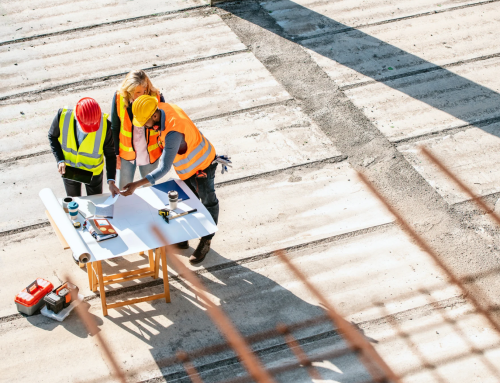
Site preparation plays a critical role in ensuring water moves away from structures rather than collecting around them. Proper planning typically includes:
Grading and Slope Design
The site should be graded to direct water away from buildings, foundations, and paved surfaces. Even small grading adjustments can make a significant difference in drainage performance.
Soil Evaluation
Different soil types handle moisture differently. Understanding site conditions helps determine the best approach for creating a stable base and managing water flow.
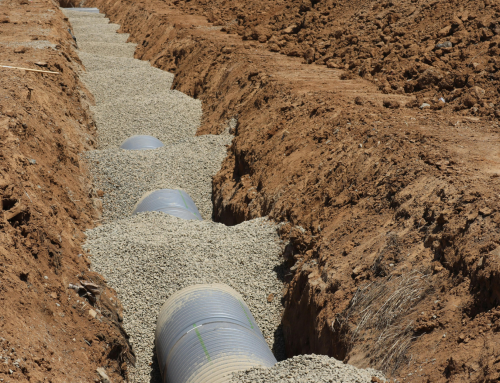
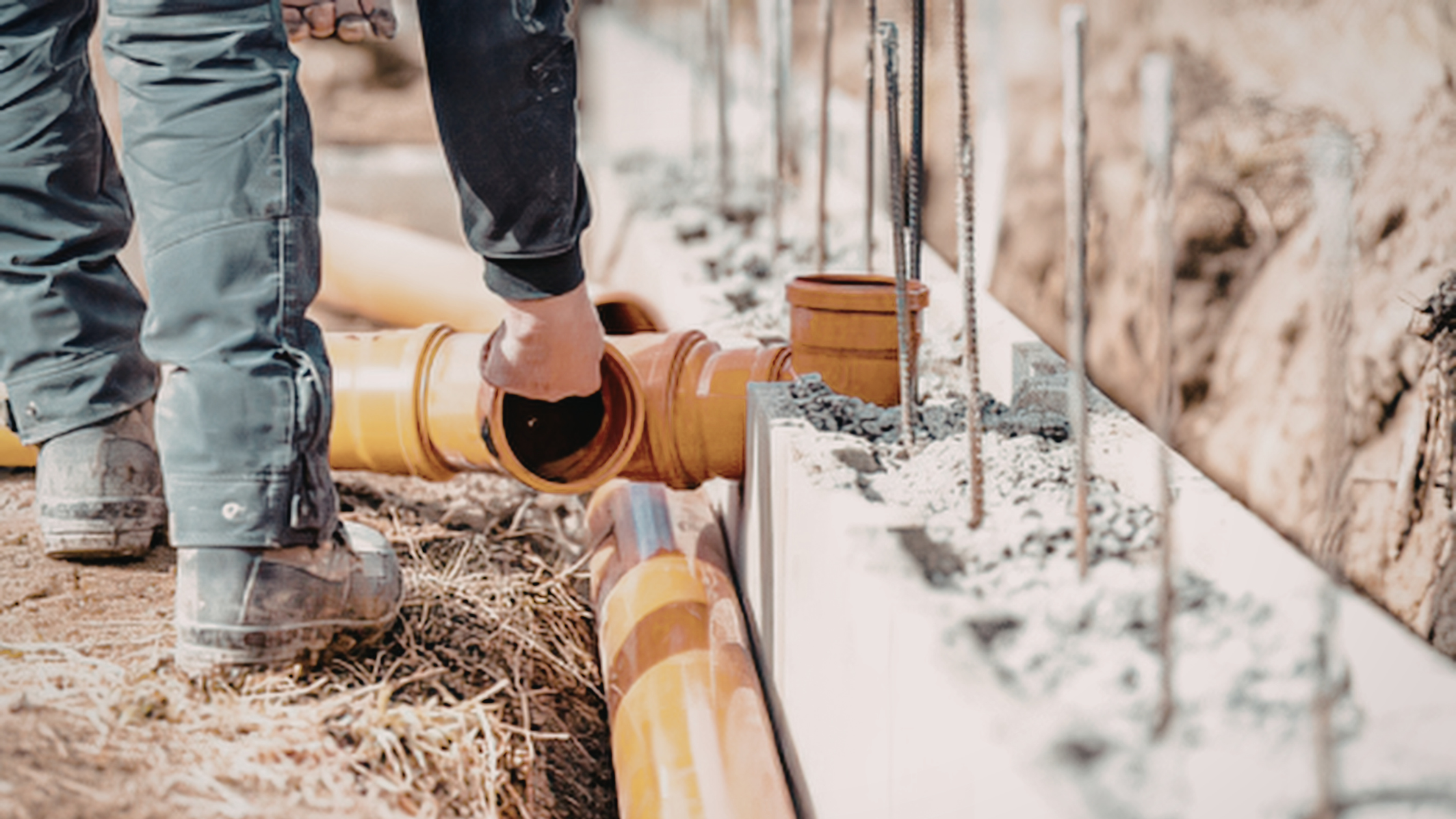
Drainage Infrastructure
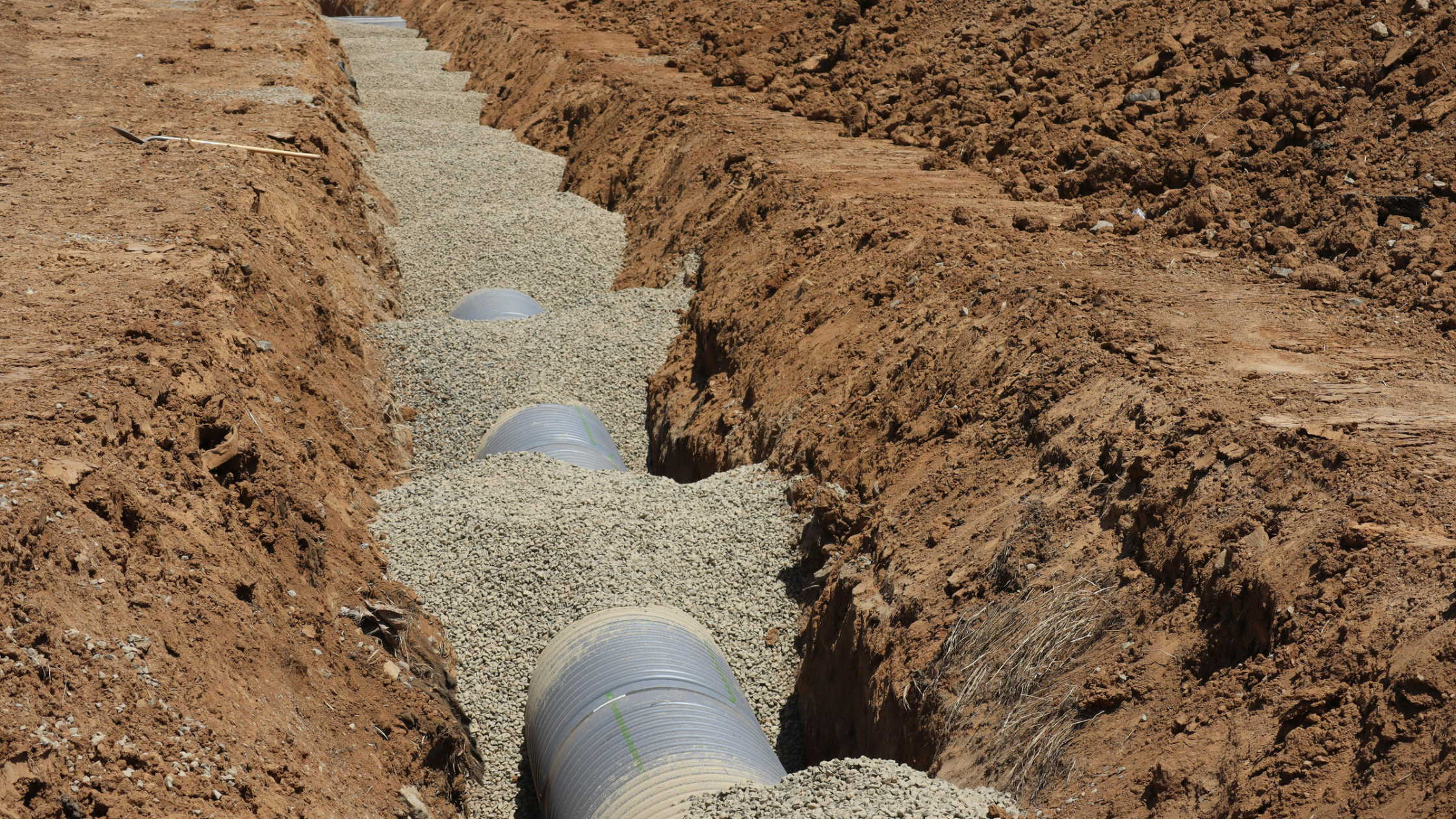
Depending on the project, drainage solutions may include:
- Swales
- Ditches
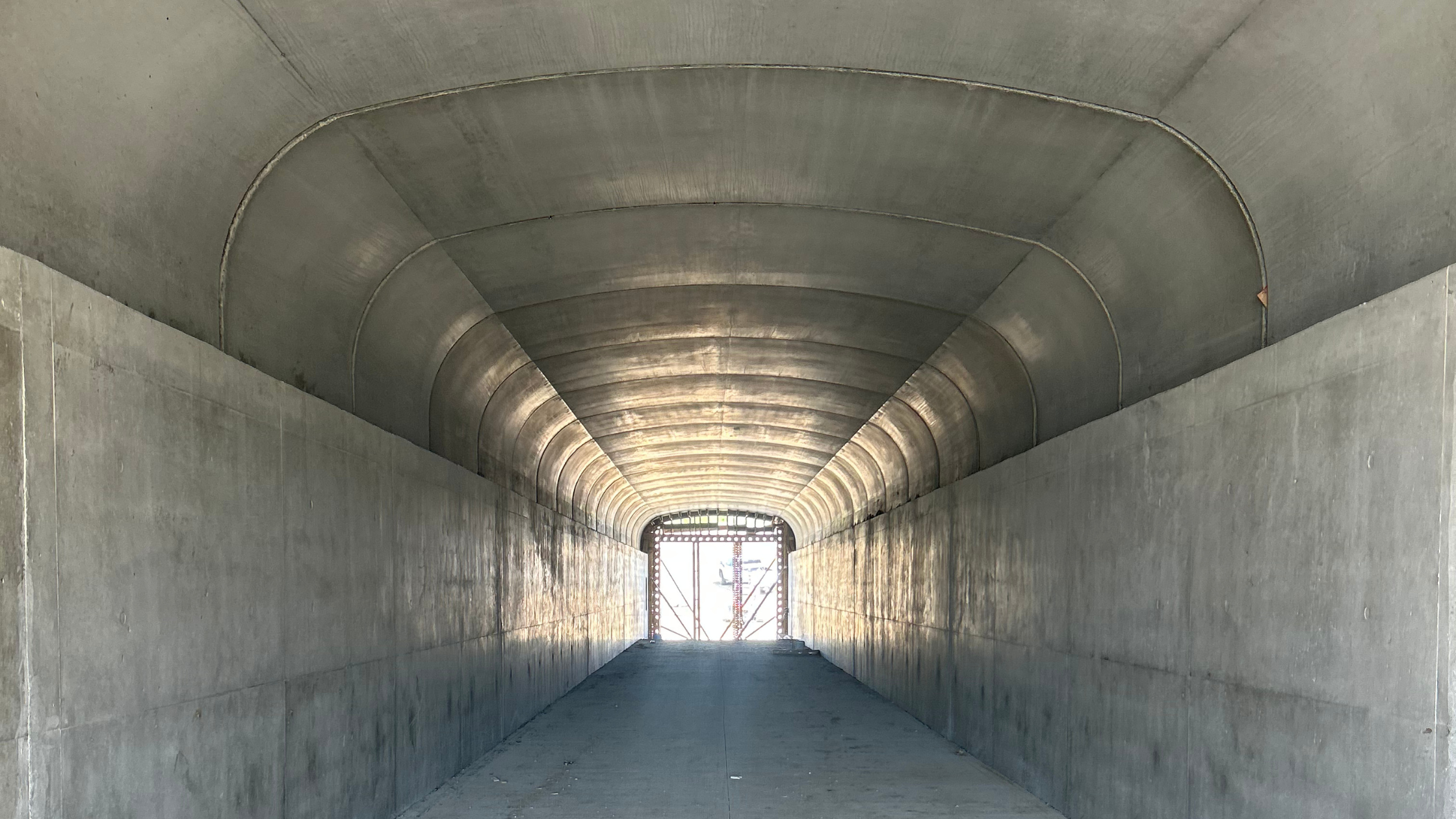
- Culverts
- Stormwater systems
- Drainage channels
- Retention or detention areas
These systems help control water movement and reduce the risk of future damage.
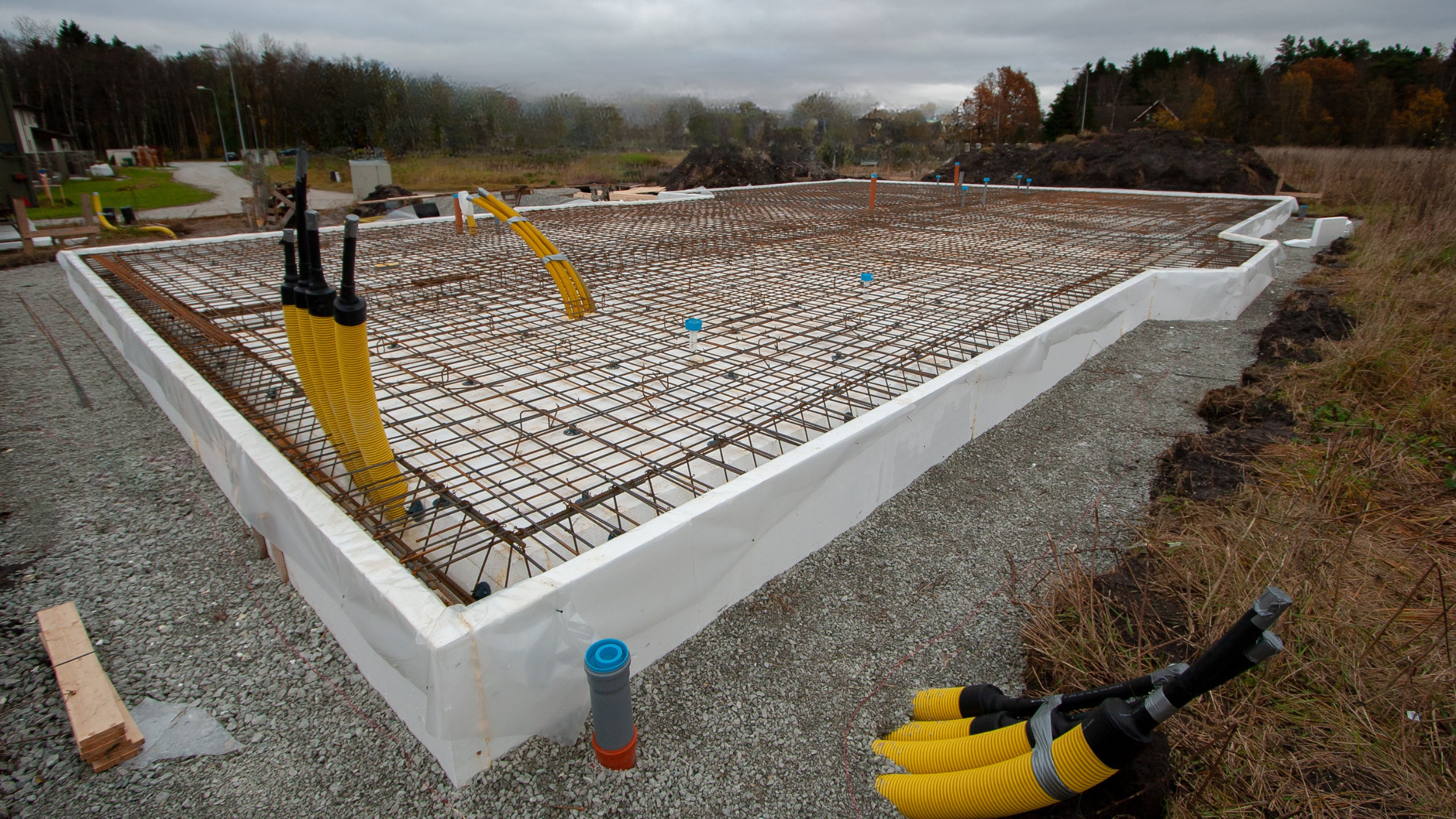
Proper Base Preparation
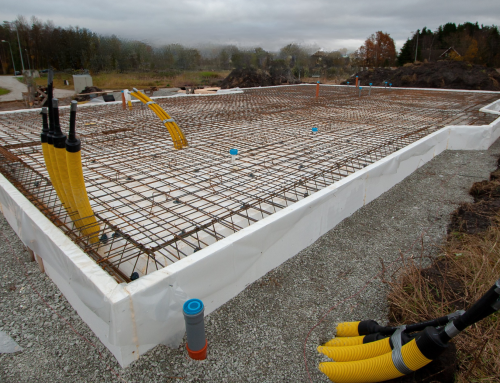
A properly prepared base provides stability and helps minimize moisture-related issues beneath concrete slabs and foundations.

Industries That Benefit from Proper Drainage Planning
Drainage is an important consideration across many types of construction projects, including:
- Commercial Developments- Parking lots, sidewalks, loading areas, and building foundations all rely on proper drainage to maintain long-term performance.
- Agricultural Facilities- Grain storage sites, livestock facilities, equipment yards, and farm shops require effective water management to protect concrete surfaces and maintain accessibility.
- Municipal Infrastructure- Roadways, public facilities, and infrastructure projects must be designed to withstand changing weather conditions and ongoing water exposure.
- Industrial Sites- Heavy-use industrial environments depend on stable concrete surfaces that can support equipment, traffic, and daily operations without premature deterioration.
Investing in Long-Term Performance
Concrete is a significant investment, and protecting that investment starts with proper planning.
While drainage systems may not be the most visible part of a project, they are often among the most important. Addressing drainage concerns during site preparation can help reduce maintenance costs, prevent premature failures, and extend the life of concrete structures for years to come.
Partner with Holzworth Concrete
At Holzworth Concrete, we understand that successful concrete construction starts below the surface. Our team provides comprehensive site preparation, grading, excavation, and concrete services designed to support long-term durability and performance.
Whether you’re planning a commercial development, agricultural facility, municipal project, or industrial site, we work to ensure every project begins with a solid foundation and proper drainage considerations.
Contact Holzworth Concrete today to discuss your next project and learn how proper site preparation can help protect your investment for the long haul.