
When planning a concrete project, the finished surface is only part of the equation. What happens beneath and around the concrete can have just as much impact on its long-term performance. Proper drainage is an important part of any successful concrete project, helping manage water and protect the concrete and surrounding site.
Whether a project is commercial, agricultural, or part of a government infrastructure project, understanding how water will move across the site should be part of the planning process from the start.
How Drainage Affects Concrete
Water that collects around or beneath concrete can create problems over time. Excess moisture can contribute to soil erosion, settlement, cracking, and uneven surfaces. In Iowa, seasonal freezing and thawing can make these concerns even more significant.
When water gets into the ground beneath a concrete surface and freezes, it expands. As temperatures change and the ground repeatedly freezes and thaws, movement beneath the concrete can put stress on the surface above it.
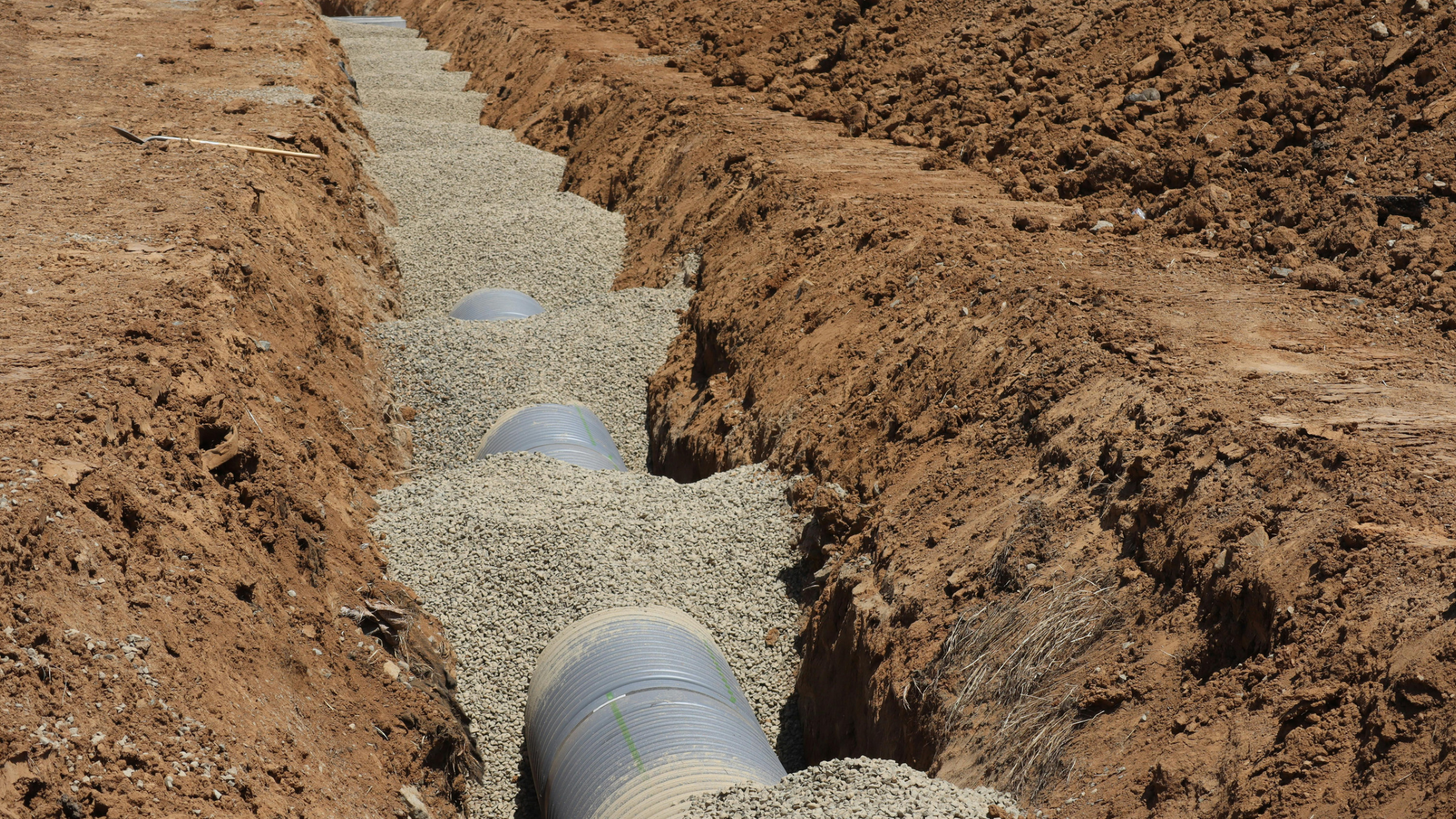
Proper drainage helps direct water away from areas where it can cause these issues, while proper site preparation provides a stable base for the concrete.
Drainage Starts Before the Concrete Is Placed
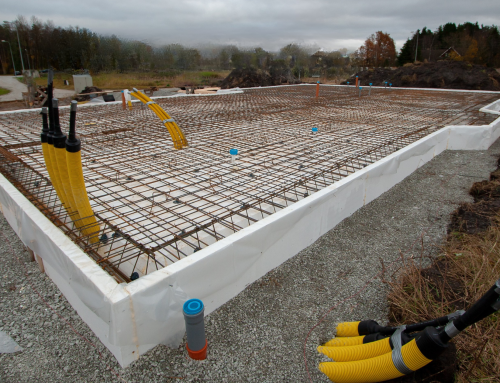
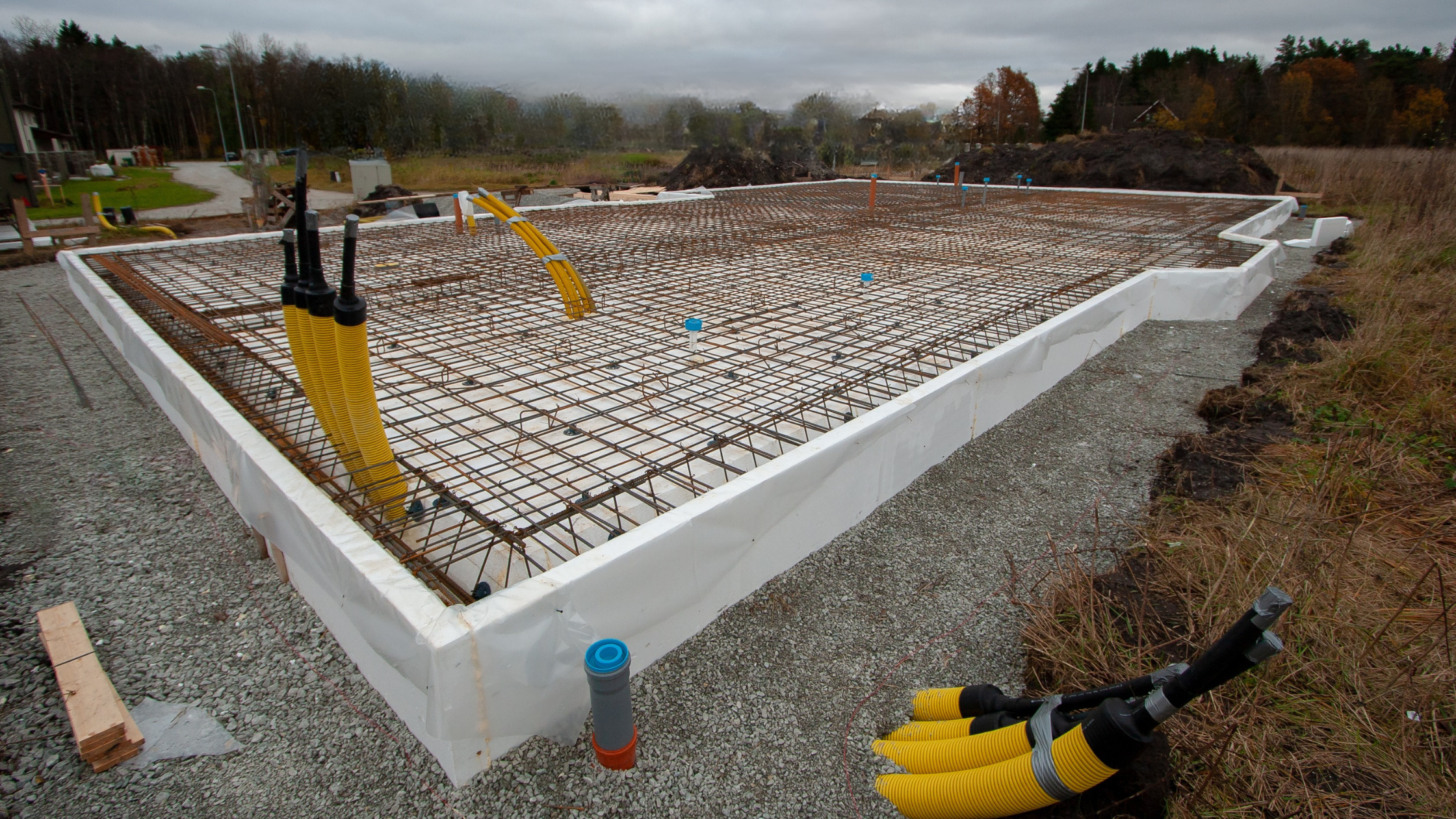
Good drainage begins with the preparation of the site. Grading, excavation, and compaction all play a role in creating the right conditions for a concrete project.
The site needs to be evaluated based on how water naturally moves through the property and how the finished project will be used. Parking lots, agricultural facilities, foundations, roadways, and other concrete applications can all have different drainage requirements.
Addressing these factors before concrete is placed can help prevent drainage issues from becoming larger problems later.
Drainage Across Different Types of Projects
Drainage is important across a wide range of concrete applications.
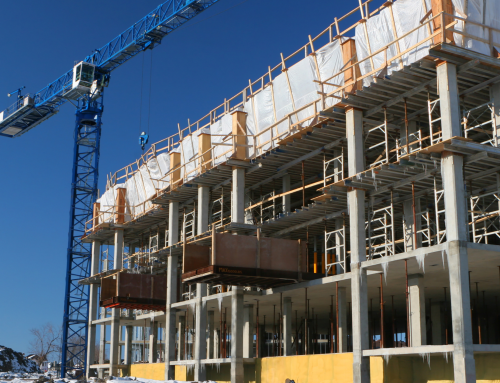
- Commercial projects may require careful water management around parking lots, drive lanes, foundations, and other high-traffic areas.
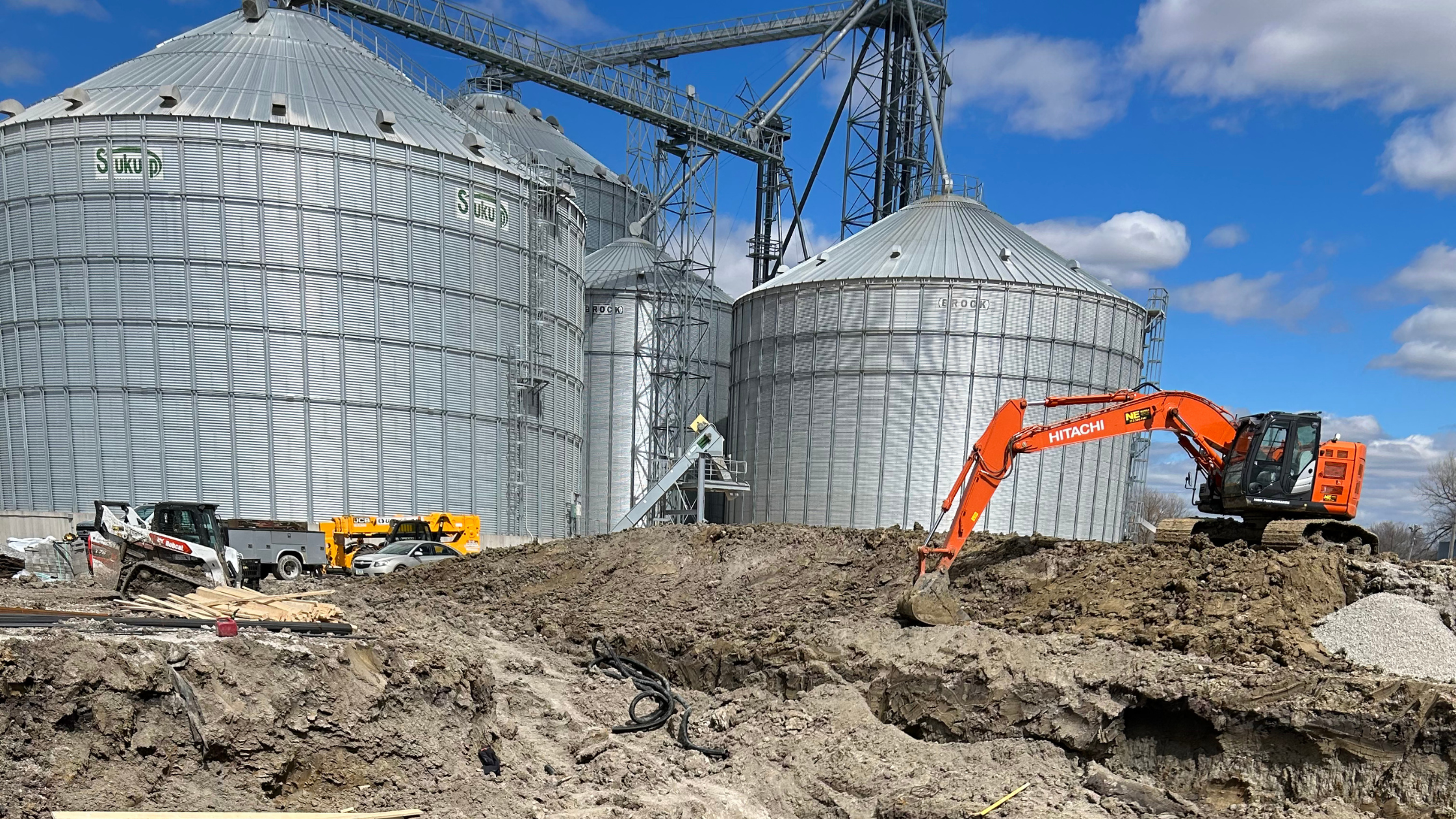
- Agricultural projects can involve grain bin foundations, shop floors, equipment areas, and other surfaces exposed to heavy use and changing weather conditions.
- Government projects may include roads, curbs and gutters, sewer systems, and other infrastructure where proper water management is essential to how the finished project functions.
Each project has its own requirements, which is why proper planning and experienced construction crews matter.
Choose an Experienced Concrete Contractor
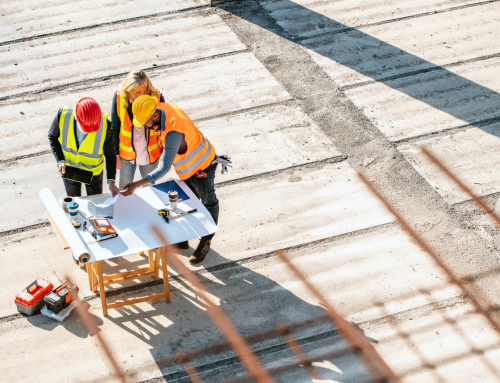
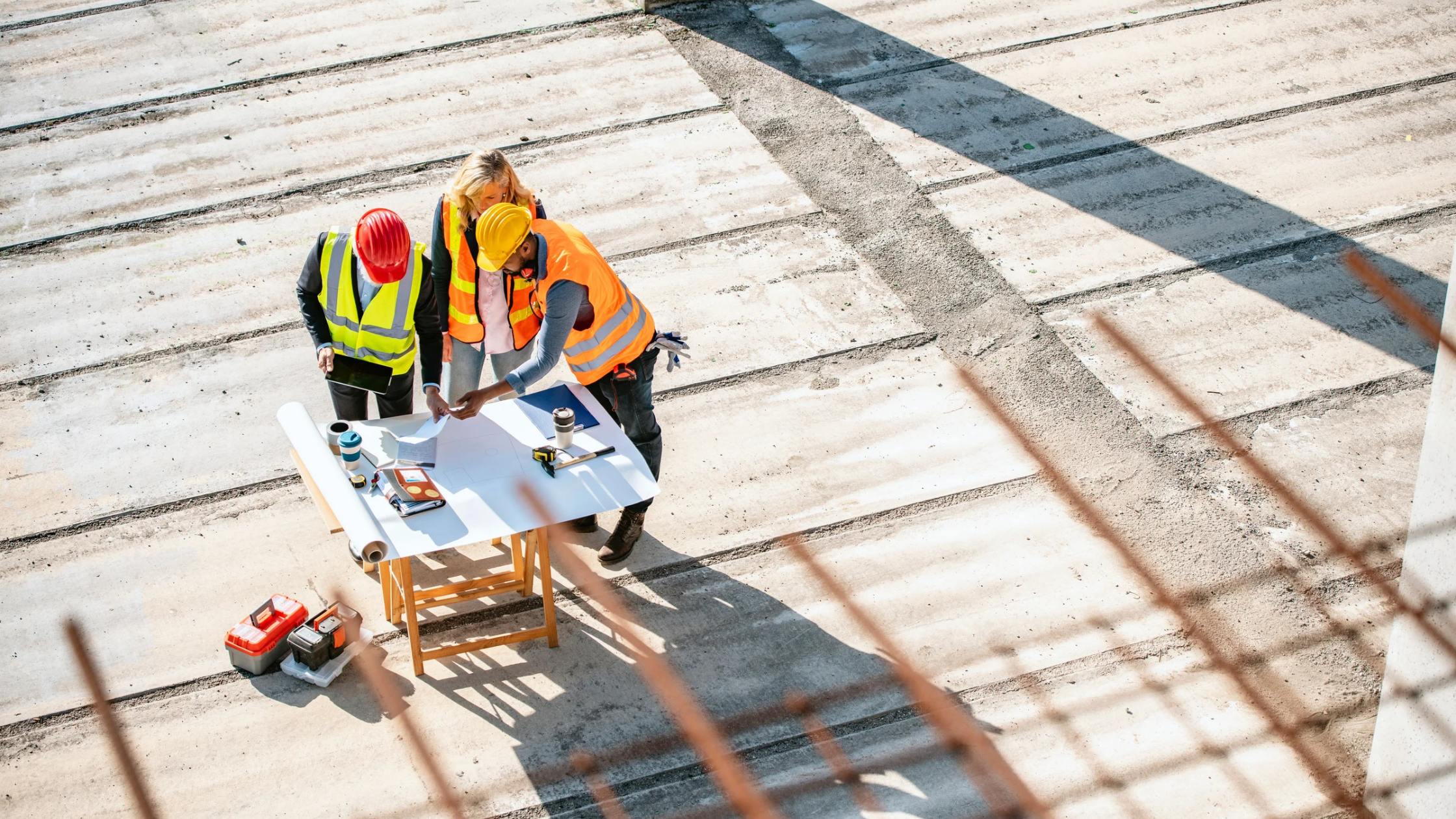
A successful concrete project requires more than simply pouring and finishing concrete. Site conditions, grading, drainage, preparation, and the intended use of the finished space all need to be considered.
Holzworth Concrete has experience completing commercial, agricultural, and government concrete projects throughout Iowa. With experienced crews and the equipment needed for excavation, site preparation, and concrete construction, Holzworth approaches each project with the bigger picture in mind.
From foundations and flatwork to parking lots, agricultural facilities, and public infrastructure, the team works to provide concrete solutions built around the specific needs of each project.
Planning a concrete project? Request a quote today to learn more about Holzworth Concrete and its services.